



With thousands of tutorial videos available online, it has never been easier to research how to remodel, decorate, or fix things in your home. This accessibility encourages many homeowners to attempt DIY (Do-It-Yourself) projects to save money.
However, there is a distinct difference between painting a wall or assembling flat-pack furniture and attempting structural modifications, plumbing rerouting, gas installations, or electrical wiring. In this advice guide, we outline the safety risks, legal restrictions, and financial dangers of amateur home improvement, and when you must hire a professional.
1. Safety risks: The true cost of DIY accidents
Construction sites are dangerous environments governed by strict health and safety legislation. When homeowners attempt complex construction without the required safety gear, tools, or experience, accidents are highly common.
- Accident Statistics: Studies indicate that over 3.4 million UK adults sustain injuries while attempting home DIY projects.
- Hospitalizations: Between 12% and 16% of DIY accidents require emergency medical attention at A&E. Falls from height (specifically from ladders or roofs) account for over 6,000 hospital admissions annually in the UK.
- Dangerous Tools: Power tools like circular saws, angle grinders, and nail guns can cause severe lacerations and eye injuries if operated without training. In fact, eye injuries represent a significant portion of DIY emergency room visits.
2. Legal boundaries: What you cannot legally DIY
In the UK, certain home improvement tasks are legally restricted to protect public safety. Attempting these yourself is illegal and can invalidate your home insurance:
- Gas Works: It is strictly illegal for anyone to work on a gas appliance (boiler, gas hob, gas pipework) unless they are registered on the Gas Safe Register. Working on gas without a license carries heavy fines and jail sentences due to the risk of explosions and carbon monoxide poisoning.
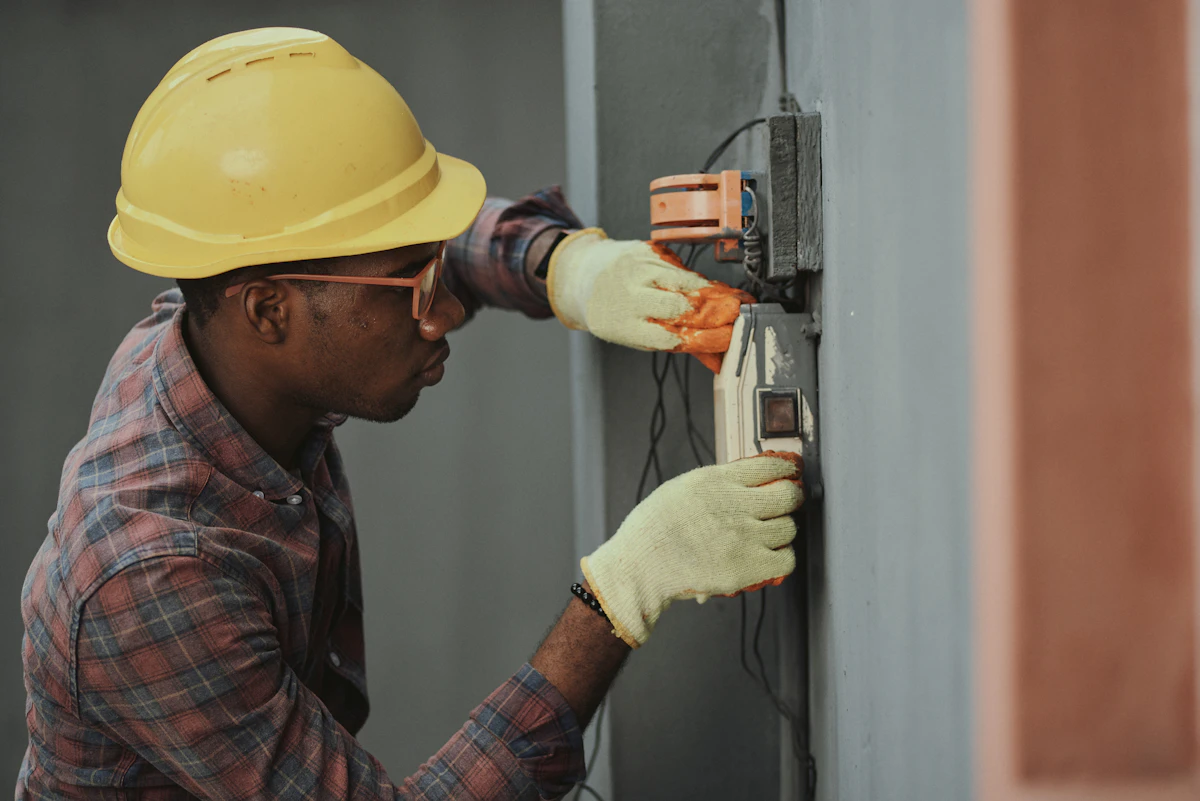
- Electrical Installations (Part P): Under Part P of the Building Regulations, major electrical work—such as installing a new consumer unit (fuse box), adding new circuits in wet areas (bathrooms/kitchens), or garden wiring—must be certified by a registered competent electrician (e.g., NICEIC or NAPIT). Doing it yourself means you will lack the required safety certificate when selling your home.
- Structural Calculations: You cannot calculate the size of a load-bearing steel beam (RSJ) yourself. This must legally be calculated by a qualified structural engineer to pass local Building Regulations.
3. The financial impact of botched DIY
While the goal of DIY is to save money, it often backfires financially. Botched home improvements cost the UK economy an estimated £1.8 billion annually in repairs.
- The Cost of Fixing Mistakes: If you cut a copper pipe incorrectly, cross-thread a plumbing connector, or fail to seal a bathroom tray, water leaks can cause structural rot and damp behind walls. On average, hiring a professional to repair a botched DIY job costs over £500—often far more than hiring them to do the job in the first place.
- Property Value Devaluation: When you sell a house, buyers instruct surveyors to check the property. If they discover uncertified electrical work, structural wall removals without steel calculations, or substandard plumbing, the buyer's mortgage lender may refuse the loan, forcing you to lower your price or pay for costly retrospective sign-offs.
4. Knowing your limits: When to hire a professional
To keep your family safe and protect your home's equity, use this guide to decide when to DIY:
- Safe for DIY: Painting, wallpapering, hanging shelves, tiling a small splashback, basic gardening, assembling furniture, and clearing gutters.
- Always Hire a Professional: Removing walls, building extensions, laying structural foundations, installing new boilers, rewiring, plastering entire rooms, and laying quartz/granite worktops.
Find vetted professionals on GetBuilder
Protect your home and save yourself the stress of DIY. With GetBuilder, connecting with vetted local professionals is fast and secure:
- Post your job requirements: Detail the job scope, size, and timeline for free on GetBuilder.
- Vetted trade profiles: Match with local builders, plumbers, and electricians checked for active insurance and certifications.
- Compare transparent quotes: Receive detailed written estimates from professionals, helping you budget safely with zero success fees.